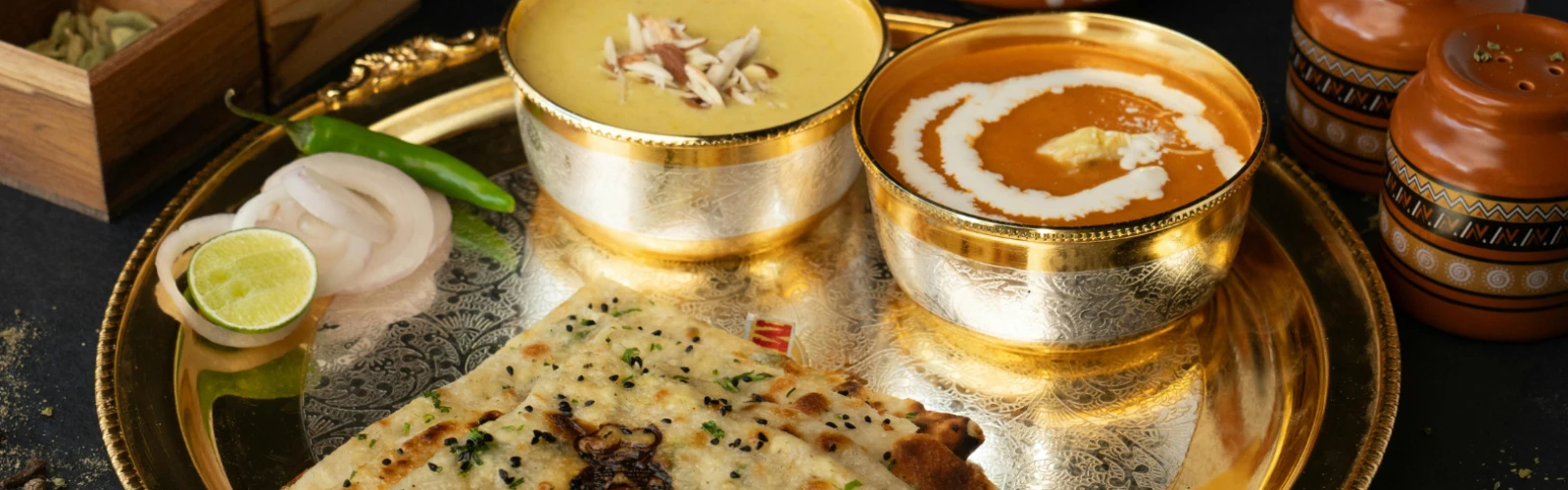
Taste of Royalty: Exploring Rajasthani Cuisine in Jaipur

Introduction: Jaipur’s Culinary Heritage — Where Every Bite Tells a Royal Story
Jaipur, the majestic Pink City, is not only known for its forts, palaces, and vibrant culture but also for its rich culinary legacy that echoes the opulence of Rajasthan’s royal kitchens. The Rajasthani cuisine in Jaipur offers a tantalizing journey through spicy gravies, sweet delicacies, and hearty meals crafted to endure desert life while maintaining a touch of regal indulgence.
Rooted in tradition, this cuisine balances flavor with survival, blending royal sophistication with local authenticity. Whether you’re enjoying a Dal Baati Churma in a traditional haveli or savoring spicy Laal Maas at a modern restaurant, every dish carries centuries of culinary wisdom.
So, let’s embark on a flavorful journey through Jaipur’s royal kitchens and discover why Rajasthani food is truly the taste of royalty.
The Royal Influence: How Jaipur’s Heritage Shaped Its Rajasthani Cuisine
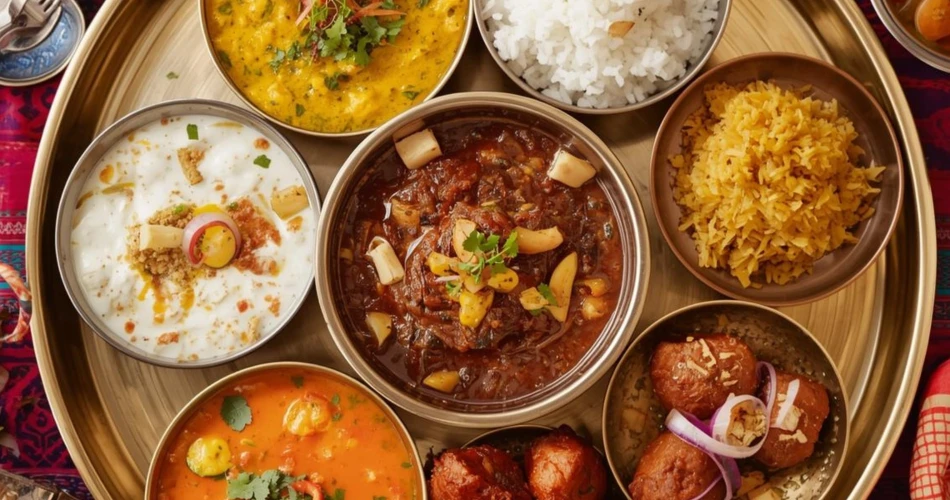
Rajasthani cuisine owes much of its charm to the royal Rajputana heritage. The kings and queens of Rajasthan were known for their grand feasts and elaborate food traditions. Each royal kitchen had its signature dishes, crafted to please the palates of warriors and royals alike.
Ingredients like ghee, spices, and dry fruits became symbols of luxury and status. Many dishes—such as Safed Maas (white mutton curry) and Laal Maas (red chili mutton curry)—were born in royal kitchens, inspired by hunting expeditions and festive banquets. Even vegetarian dishes like Gatte ki Sabzi and Ker Sangri reflect royal creativity in using local ingredients innovatively.
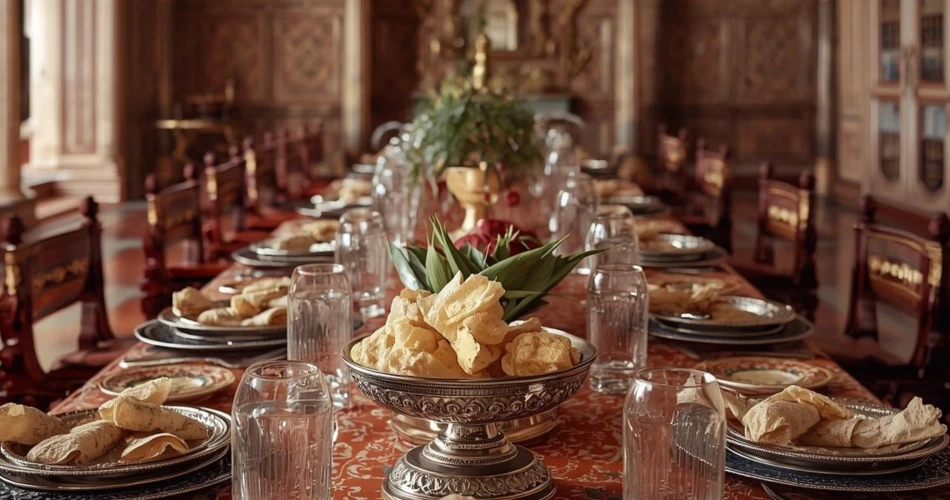
Today, restaurants in Jaipur keep these age-old recipes alive, often served in palatial settings that recreate the grandeur of Rajputana dining.
Signature Dish of Jaipur: Dal Baati Churma — The Soul of Rajasthani Cuisine
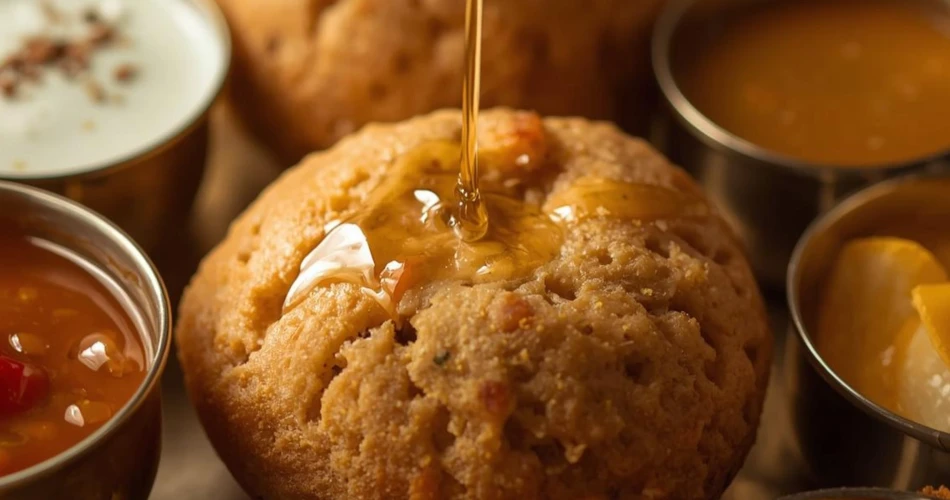
No discussion of Rajasthani cuisine in Jaipur is complete without mentioning Dal Baati Churma, the crown jewel of Rajasthan’s culinary identity. This iconic trio represents simplicity, strength, and flavor all in one plate.
-
Baati: Hard wheat rolls baked over coals, brushed with desi ghee.
-
Dal: A mix of lentils tempered with garlic and spices.
-
Churma: Crumbled baati sweetened with jaggery or sugar.
Together, they form a meal that’s both wholesome and deeply satisfying. In Jaipur, you’ll find this dish in every corner—from roadside dhabas to luxury restaurants like Laxmi Misthan Bhandar (LMB) and Chokhi Dhani.
Locals and tourists alike enjoy the buttery aroma of baati dunked in dal, followed by a spoonful of sweet churma — a combination that defines true Rajasthani warmth and hospitality.
The Fiery Delight of Laal Maas and Other Meat-Based Royal Recipes
For non-vegetarian lovers, Jaipur’s Laal Maas is a fiery revelation. This dish, once reserved for Rajput warriors, combines tender mutton with a thick red chili gravy that packs both heat and flavor. Despite its boldness, the dish’s smoky depth comes from slow-cooking and the use of yogurt and garlic, which balance the spice beautifully.
Other royal non-vegetarian dishes like Jungli Maas (a rustic, spicier version made for hunting trips) and Safed Maas (a creamy yogurt-based curry) also highlight the royal fondness for rich and flavorful meals.
Restaurants like Handi Restaurant, Spice Court, and 1135 AD (inside Amer Fort) serve these dishes in regal settings, making you feel like part of the royal feast.
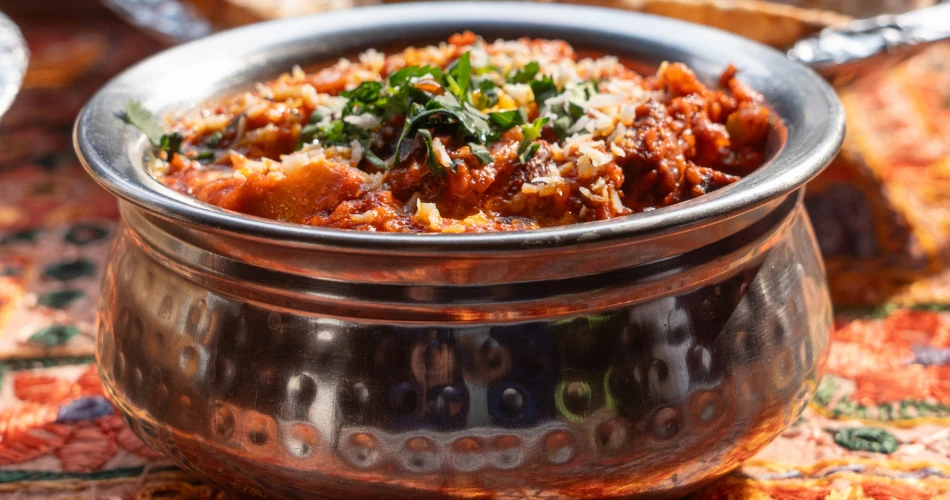
Vegetarian Wonders: Gatte, Ker Sangri, and the Essence of Desert Ingredients
The arid land of Rajasthan limited access to fresh vegetables, inspiring locals to create flavorful dishes using gram flour, dried berries, and beans. In Jaipur, vegetarian cuisine is celebrated for its creativity and depth.
Gatte ki Sabzi is a favorite — soft gram flour dumplings simmered in spiced yogurt curry. Similarly, Ker Sangri combines dried desert berries and beans sautéed with spices, resulting in a tangy, earthy flavor. Bajra Roti, Missi Roti, and Papad ki Sabzi further showcase how resourceful Rajasthani cooking is.
These dishes are light on fresh produce but rich in tradition, offering visitors a glimpse into Rajasthan’s ingenious adaptation to its environment.
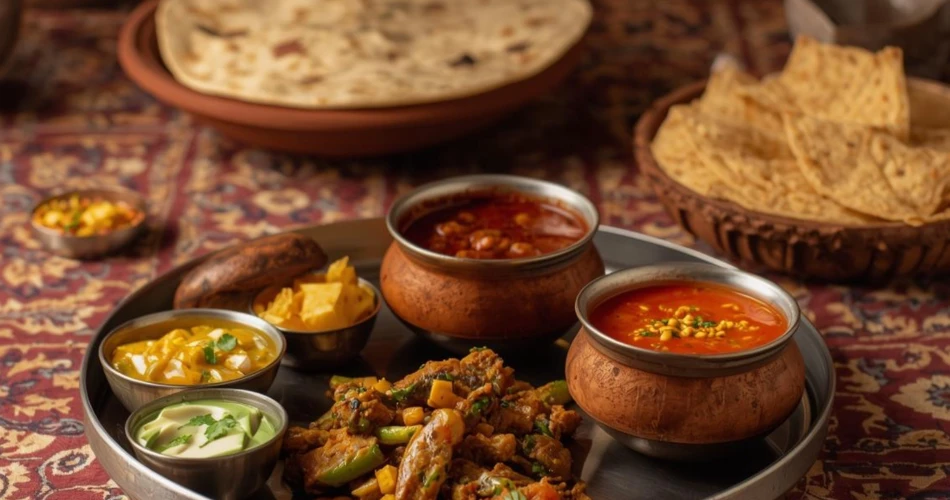
Street Food in Jaipur: The Local Flavors Beyond the Palaces
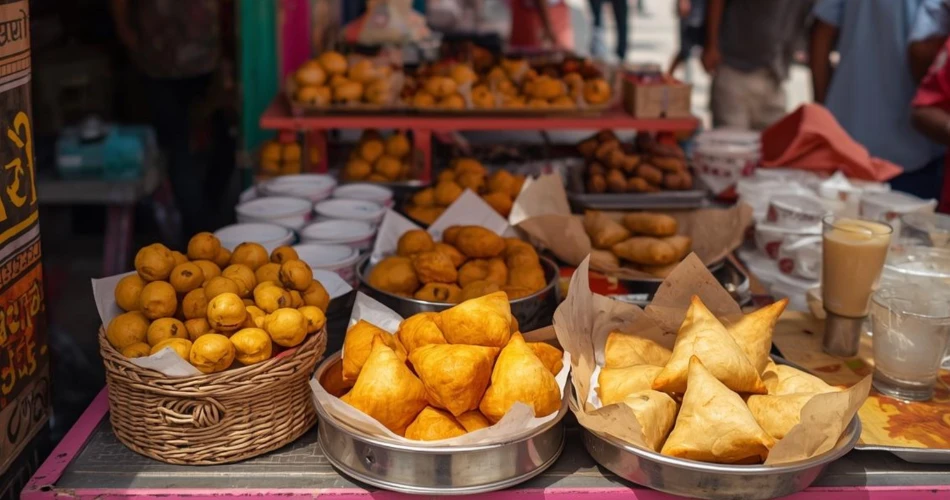
While Jaipur’s royal dining is majestic, its street food culture is where the city’s vibrant energy comes alive. Walk through MI Road, Johari Bazaar, or Bapu Bazaar, and the aroma of sizzling snacks will lead you to local favorites like:
-
Pyaaz Kachori from Rawat Misthan Bhandar
-
Mirchi Vada and Samosas
-
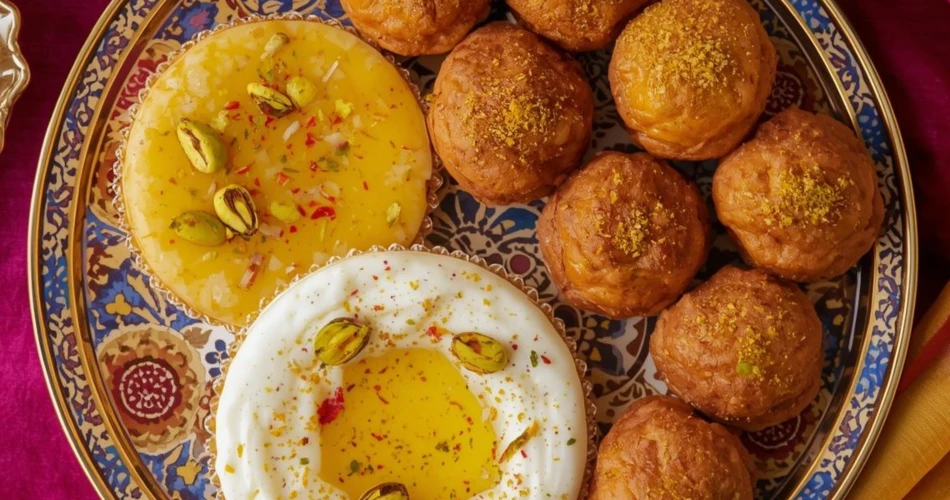
Ghewar and Mawa Kachori for dessert
-
Kulhad Lassi at Lassiwala — an iconic Jaipur experience
Each snack is a perfect blend of spice and sweetness, served with a smile and steeped in history. Street food in Jaipur captures the soul of everyday life, offering an authentic taste of Rajasthan’s culinary diversity.
Sweet Indulgence: Ghewar, Mawa Kachori, and Jaipur’s Royal Desserts
Rajasthan’s love for sweets is legendary, and Jaipur stands at the heart of it. Whether it’s Ghewar, Mawa Kachori, or Ras Malai, every dessert is a masterpiece of taste and artistry.
Ghewar, a honeycomb-like disc soaked in syrup and topped with silver leaf, is especially popular during festivals like Teej. Mawa Kachori, stuffed with sweetened khoya and nuts, deep-fried to golden perfection, is another indulgence you can’t miss.
Famous sweet shops like LMB and Rawat have been serving these delicacies for decades, keeping Jaipur’s sweet legacy alive.
Where to Experience Authentic Rajasthani Cuisine in Jaipur
If you’re looking to savor authentic Rajasthani cuisine in Jaipur, here are some must-visit spots:
-
Chokhi Dhani: A cultural village offering traditional food with folk entertainment.
-
1135 AD (Amer Fort): Dine like royalty inside a palace setting.
-
Laxmi Misthan Bhandar (LMB): Legendary vegetarian fare and sweets.
-
Spice Court: Known for Laal Maas and traditional curries.
-
Suvarna Mahal (Rambagh Palace): An opulent dining experience for luxury seekers.
Each of these places offers not just food but an immersive cultural experience—turning every meal into a journey through Rajasthan’s glorious past.
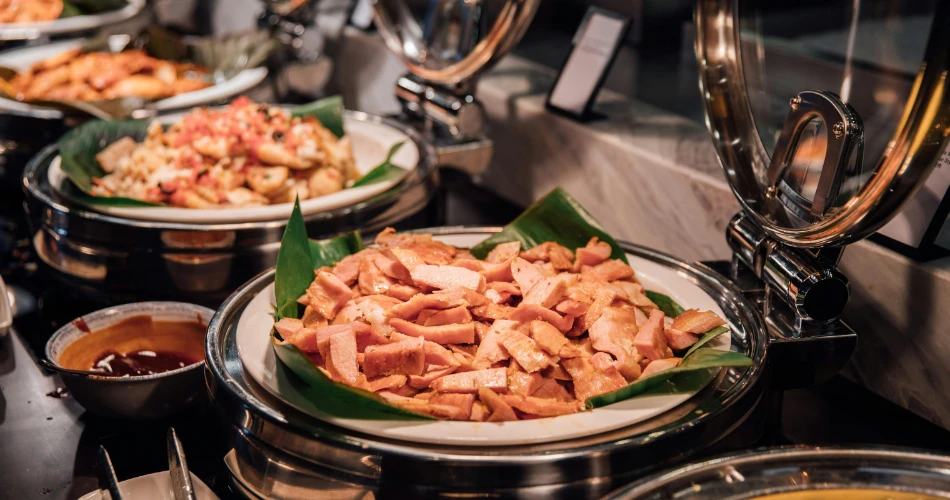
Conclusion: A Royal Feast for Every Food Lover
Rajasthani cuisine in Jaipur is more than just food—it’s a living testament to the city’s history, resilience, and hospitality. Every bite tells a story of royal grandeur, desert innovation, and timeless flavor.
Whether you’re feasting on Dal Baati Churma under palace chandeliers or grabbing a Pyaaz Kachori from a street vendor, Jaipur ensures you leave with a full heart and a satisfied palate.
So, on your next visit to the Pink City, don’t just explore its monuments—taste its royalty, one dish at a time.

About Author
Isla is known as one of the best female solo travel bloggers today. She has been to Europe, UAE, and America and has penned down her experience in her blogs to inspire other travel enthusiasts.